An equalizer, often referred to as an EQ, is one of the most important tools in the audio industry. It allows us to enhance sound quality by adjusting specific frequency ranges. But the question is: what is an equalizer and how does it work? Simply put, an equalizer lets you boost or cut certain frequencies to improve or tailor the sound. One popular type is the graphic equalizer, which enables users to visually adjust frequency bands in a straightforward way.
Key Takeaways
-
An equalizer is an essential tool in the audio industry.
-
It helps improve sound quality by adjusting frequency ranges.
-
The graphic equalizer is one of the most common types.
-
Equalizers make it possible to edit sound professionally.
-
They are indispensable in recording studios and live environments.
The Concept and Importance of Equalizers
Equalizers play a crucial role in professional audio. They allow sound engineers to fine-tune recordings and live sound systems for the best possible results. Their main features include tone shaping, sound clarity improvement, and bass enhancement. From studios to concert halls, EQs help adapt audio to the space and purpose. For example, in recording studios, an equalizer ensures high-quality output for music and voice projects.
Definition and Main Application
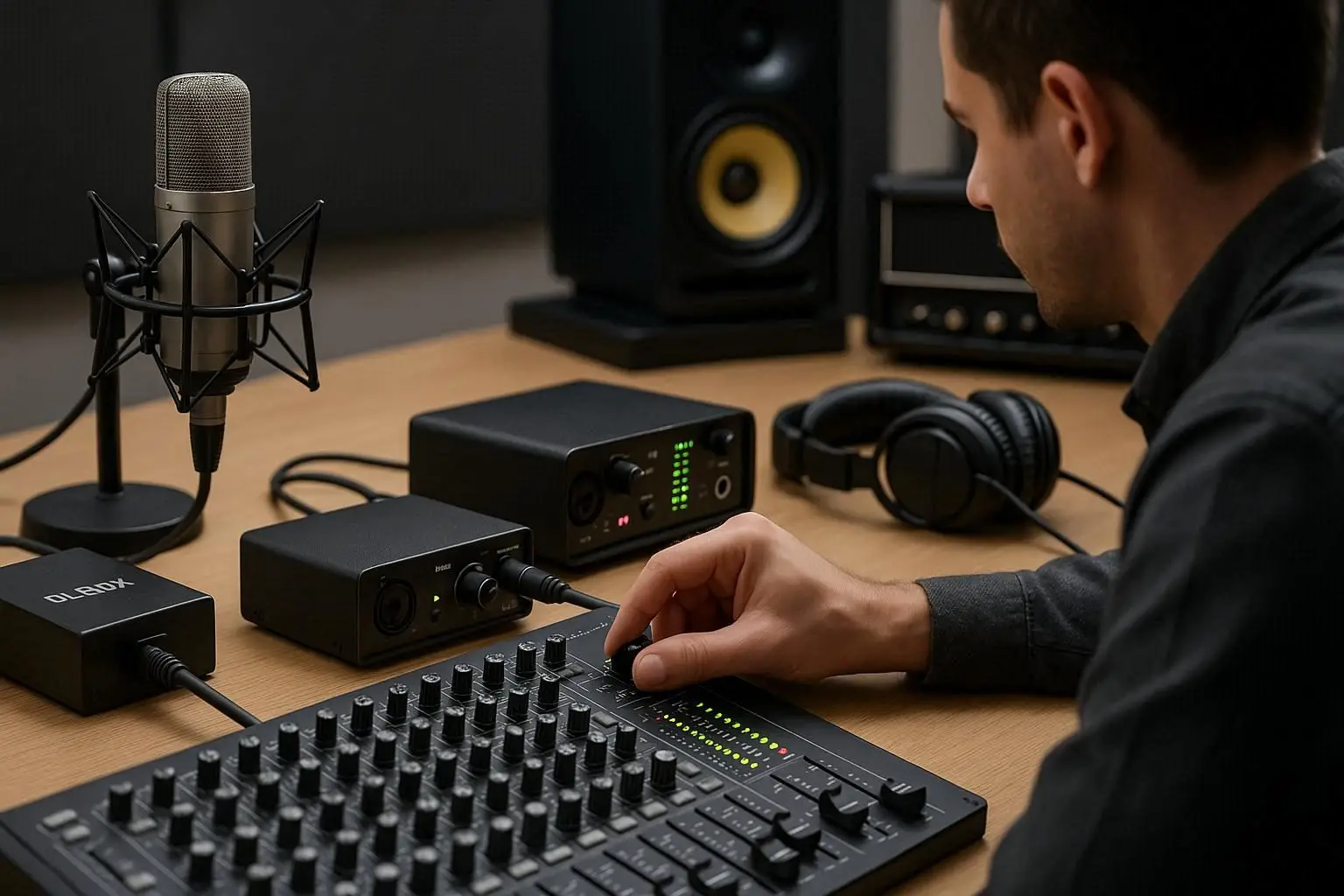
An equalizer is an electronic tool designed to adjust sound frequencies. By controlling bass, midrange, and treble, engineers and musicians can shape the tone of music or speech. It is often used alongside equipment such as a Recorder, Microphone, Amplifier, Speaker, Audio Mixers, Head Phones, and Audio Interface for complete sound control.
A Brief History
Equalizers date back to the 1920s but became widely recognized in the 1950s and 1960s. Since then, they have become standard tools in both professional studios and consumer audio systems.
How Equalizers Improve Sound Quality
Equalizers help balance audio to match the environment and the listener’s needs. Whether enhancing bass for live performances or softening harsh frequencies in recordings, EQ is an essential step in creating a polished final sound.
How Equalizers Work
Equalizers operate through sound processing, using filters to adjust frequencies.
-
Graphic Equalizers: Feature fixed bands of frequencies with sliders for control.
-
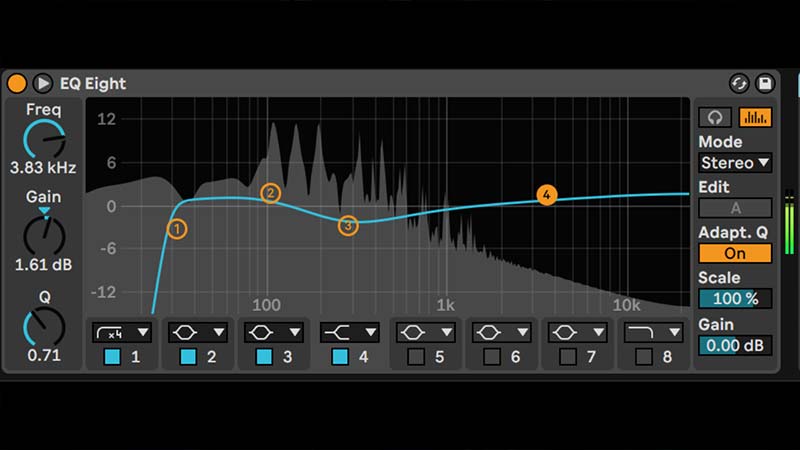
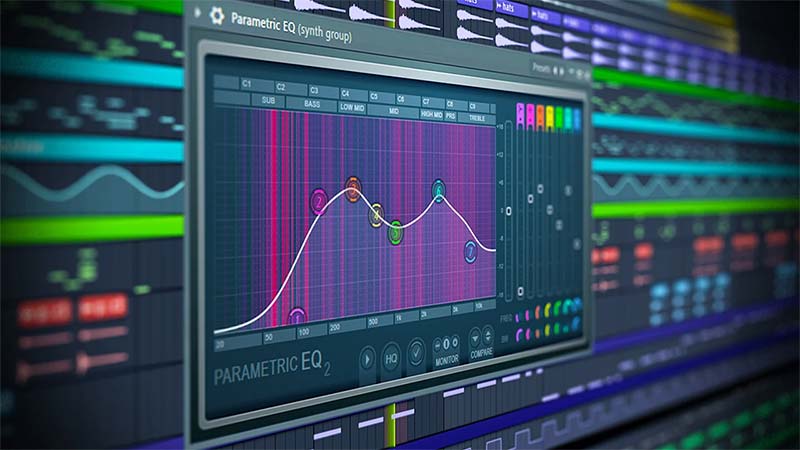
Parametric Equalizers: Offer adjustable parameters like frequency, gain, and bandwidth (Q).
By boosting or cutting certain frequencies, these filters allow precise sound shaping.
Types of Equalizers
The market offers several types of EQs:
-
Graphic Equalizer – Easy-to-use, with fixed frequency bands.
-
Parametric Equalizer – Provides full control with adjustable parameters.
-
Digital Equalizer – Uses digital processing for precise and customizable sound.
-
Software Equalizers – Applications that allow users to shape audio within DAWs or media players.
Each type suits different needs, from professional mixing with Audio Mixers to casual listening with Head Phones.
Frequency Ranges and Their Impact
Frequencies directly shape how we perceive sound:
-
Low Frequencies (20Hz–250Hz): Add depth and bass.
-
Mid Frequencies (250Hz–4kHz): Control clarity and presence.
-
High Frequencies (4kHz–20kHz): Provide brightness and detail.
For example, if you want stronger bass, you can boost the lower frequencies. If you need sharper vocals, you can enhance the higher ranges.
Everyday Applications of Equalizers
Equalizers aren’t just for professionals — they are widely used in daily life:
-
Home Audio Systems: Improve the sound of movies and music.
-
Recording Studios: Work alongside a Microphone, Audio Interface, and Recorder for detailed sound editing.
-
Car Audio Systems: Customize bass and treble for driving environments.
Setting an Equalizer Correctly
To get the best results, users need to understand frequency ranges and how adjustments affect sound.
Common Mistakes:
-
Over-boosting frequencies.
-
Not understanding how filters interact.
-
Ignoring the acoustics of the room or the Speaker setup.
By avoiding these, you can achieve a balanced, high-quality sound.
Pros and Cons of Using an Equalizer
Pros:
-
Improves sound quality.
-
Adds bass and treble control.
-
Essential for professional audio work.
Cons:
-
Can be complex to set up correctly.
-
High-end equalizers may be expensive.
Equalizer Software
Equalizer software offers powerful audio editing tools:
-
Graphic EQ Software – Simple and visual.
-
Parametric EQ Software – Professional-grade control.
-
Digital EQ Plugins – For DAWs and production setups.
Free software is suitable for casual users, while professional EQ plugins offer advanced features for mixing engineers.
Choosing the Right Equalizer
When selecting an equalizer, consider:
-
Type – Graphic, parametric, digital, or software.
-
Quality – Frequency response, noise levels, and precision.
-
Budget – From affordable consumer EQs to professional-grade equipment.
By evaluating these factors, you can choose an equalizer that enhances your audio setup, whether paired with Audio Mixers, Amplifiers, or Speakers.
Conclusion
Equalizers are powerful tools that shape sound by adjusting frequency ranges. From home systems to professional studios, they enhance clarity, improve balance, and adapt audio to any environment. With the right EQ — and complementary tools like a Recorder, Microphone, Amplifier, Speaker, Audio Mixers, Head Phones, and Audio Interface — you can take your sound to the next level.