Introduction
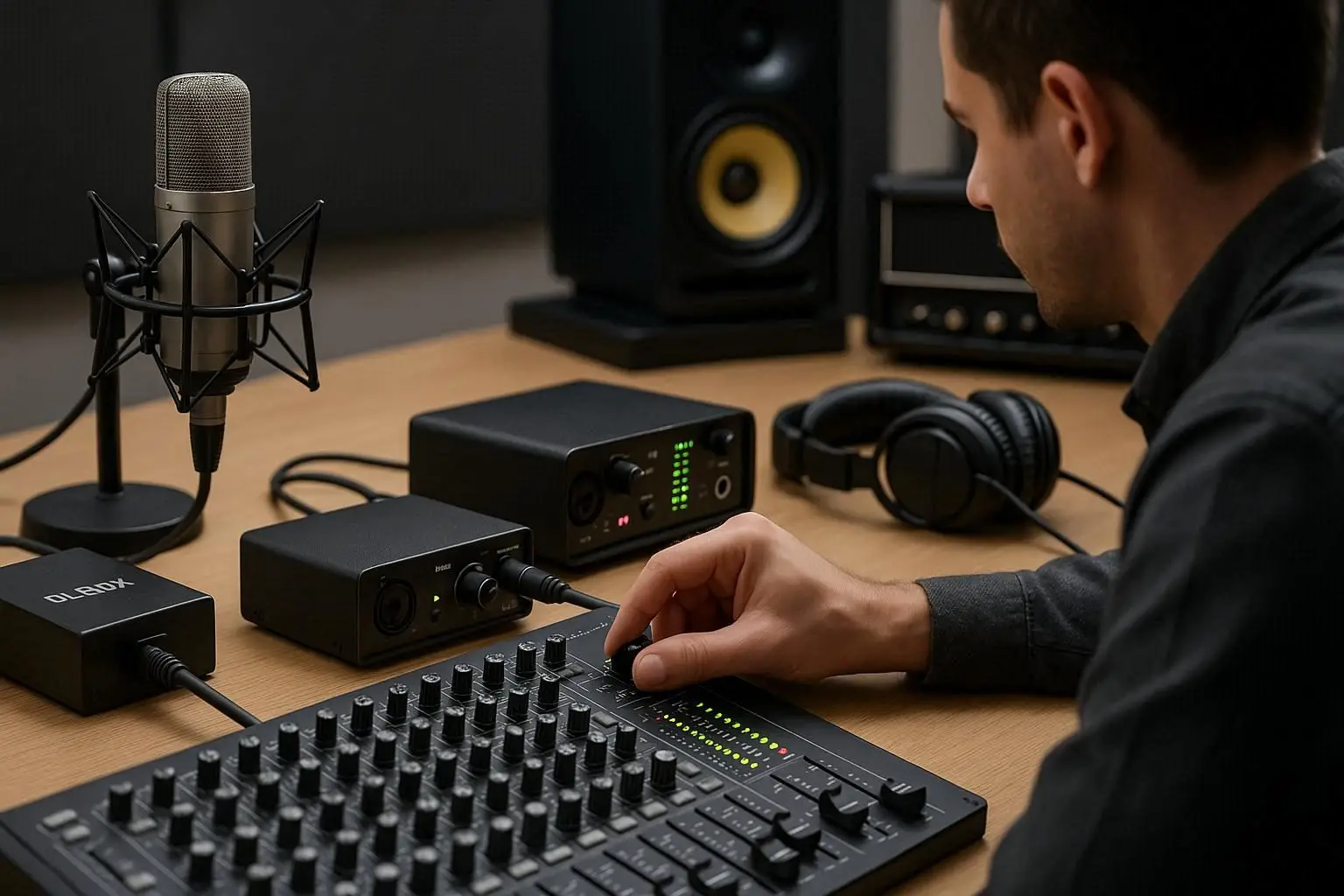
When it comes to professional audio, the debate of Live Sound vs Studio Sound has always been an essential topic among musicians, sound engineers, and producers. Both environments focus on achieving great sound quality, but the tools, techniques, and objectives differ drastically. Whether you’re performing live on stage or recording music in a controlled studio, understanding these differences helps you choose the right equipment and approach for your project.
Understanding the Concept of Live Sound
Live sound refers to the art of amplifying and processing audio for real-time performances such as concerts, events, and public speaking.
Unlike a recording studio, where sound can be edited and mixed later, live sound is about instant results — what the audience hears in that moment.
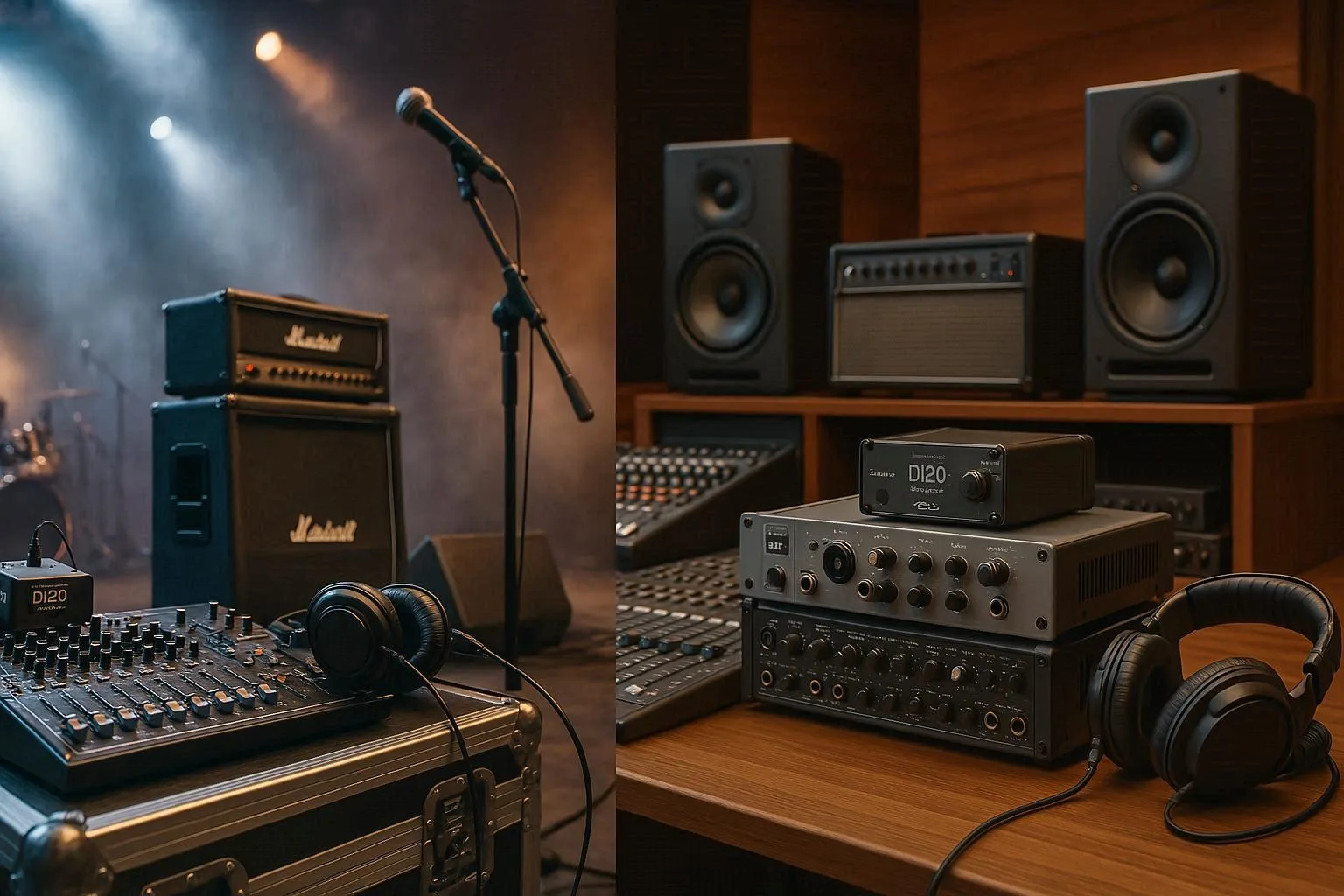
A typical live sound setup includes:
-
Microphones for capturing vocals and instruments
-
Audio Mixers to balance multiple sound sources
-
Amplifiers to power the Speakers
-
A DI Box to ensure clean, noise-free signals from instruments
-
And Head Phones for the sound engineer’s monitoring
In a live environment, factors such as acoustics, crowd noise, and outdoor conditions can significantly impact the sound. Engineers often rely on powerful PA systems and real-time adjustments to keep everything balanced.
Inside the World of Studio Sound
In contrast, studio sound focuses on precision and control. The recording studio is designed to minimize unwanted reflections, noise, and interference. Every sound is captured, edited, and refined before reaching the listener.
A typical studio setup includes:
-
High-quality Microphones to record instruments and vocals
-
An Audio Interface to convert analog signals into digital data
-
Audio Mixers for routing and controlling input sources
-
Monitoring tools such as Head Phones and Speakers (studio monitors)
-
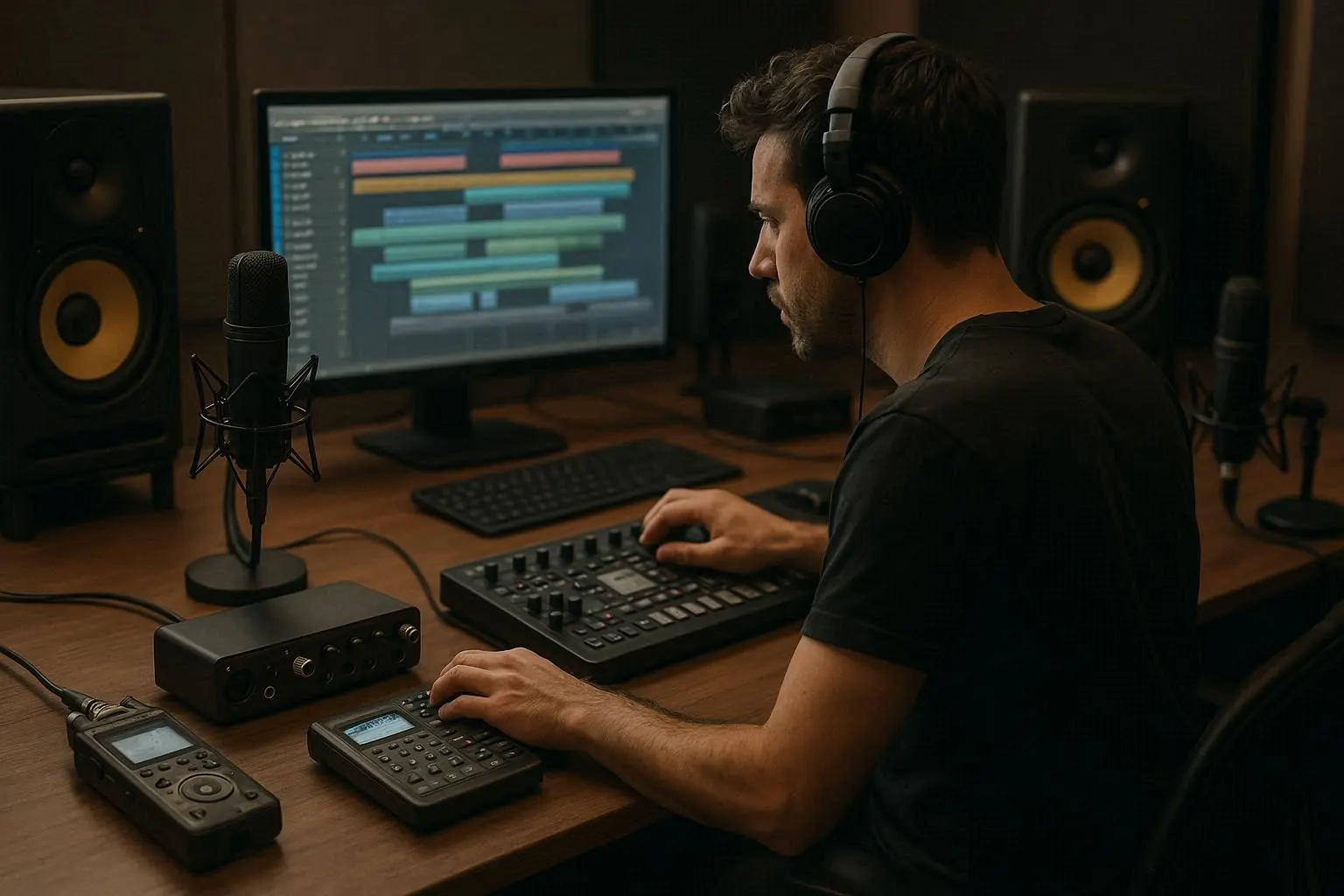
A Recorder or Digital Pocket Studio to capture and store takes
Here, there’s no rush — sound engineers can spend hours perfecting tone, balance, and dynamics. The goal is clarity, consistency, and emotional impact.
Key Differences Between Live Sound and Studio Sound
1. Environment and Acoustics
Live sound deals with unpredictable acoustics — open-air stages, clubs, or auditoriums. The sound reacts to walls, ceilings, and the audience.
Studio sound, on the other hand, is recorded in a carefully treated space with acoustic panels and diffusers for total control.
2. Equipment and Signal Flow
In live sound, reliability is key. Equipment must be durable and quick to set up — DI Boxes, Amplifiers, and Speakers play a huge role in stability.
In studios, accuracy matters more. You’ll find high-end Audio Interfaces, Digital Pocket Studios, and Recorders that capture every subtle nuance.
3. Mixing and Processing
Live sound mixing happens in real-time. Engineers constantly adjust Audio Mixers to handle feedback, crowd noise, and performer dynamics.
Studio mixing is done post-recording, allowing detailed editing with digital tools, plug-ins, and automation.
4. Monitoring
In live setups, engineers use Head Phones and monitor Speakers to track sound quality.
In studios, reference monitors and professional Head Phones ensure accurate sound reproduction, helping engineers detect even the smallest imperfections.
5. Purpose
Live sound aims to create an immersive experience for the audience. It’s about energy and connection.
Studio sound aims for perfection and repeatability — the same emotion every time someone presses play.
Essential Gear for Live Sound
If you’re setting up for a live performance, here’s what you’ll need:
-
Microphones for vocals and instruments
-
DI Box to reduce hum and noise
-
Audio Mixers with multiple channels
-
Amplifiers and Speakers for volume and clarity
-
Head Phones for monitoring on stage
Live engineers also rely heavily on compressors, equalizers, and effects units to maintain clarity and control feedback.
Essential Gear for Studio Sound
In a studio environment, the equipment list is slightly different:
-
Audio Interface for digital recording
-
Recorder or Digital Pocket Studio for storing takes
-
Microphones suited for each sound source
-
Audio Mixers for signal routing
-
Speakers (studio monitors) for precise playback
-
Head Phones for detailed monitoring during mixing and mastering
Unlike live setups, studios often use software-based tools like DAWs (Digital Audio Workstations) to enhance flexibility and control.
Techniques That Separate Live and Studio Engineers
-
Live Sound Engineers focus on speed, adaptability, and balance under pressure. They must react instantly to changes on stage.
-
Studio Engineers emphasize patience, precision, and creativity, using multiple takes and digital effects to perfect each track.
Each field requires technical expertise, but the mindset differs — live sound is performance-based, while studio sound is craftsmanship-based.
Common Challenges in Both Setups
Live Sound Challenges:
-
Feedback from microphones
-
Unpredictable venue acoustics
-
Equipment failures during performance
Studio Sound Challenges:
-
Achieving natural tone in isolated rooms
-
Managing CPU loads in digital systems
-
Maintaining creative flow during long sessions
Both environments demand strong problem-solving skills and deep knowledge of Audio Mixers, Speakers, and Microphones.
Bridging the Gap: Hybrid Setups
Modern technology allows engineers to combine the best of both worlds. Many performers use Digital Pocket Studios, Recorders, and Audio Interfaces to capture live performances and refine them later in the studio.
This hybrid approach delivers the energy of live sound with the precision of studio sound, offering musicians maximum creative flexibility.
Conclusion for Live Sound vs Studio Sound
Understanding Live Sound vs Studio Sound helps you become a more versatile musician or audio engineer.
Live sound is about capturing the moment, while studio sound is about crafting the masterpiece.
Whether you’re mixing on stage or editing in the studio, the right use of Audio Mixers, Speakers, Amplifiers, Head Phones, and Audio Interfaces makes all the difference.
Master both — and you’ll own the full spectrum of professional sound.
Frequently Asked Questions (FAQ)
1. What is the main difference between live sound and studio sound?
Live sound is real-time audio production for performances, while studio sound focuses on recording and editing in controlled environments.
2. Can I use studio equipment for live sound?
Some equipment overlaps, like microphones and headphones, but live sound gear is built for durability and real-time operation.
3. What role does a DI Box play in live sound?
A DI Box converts high-impedance instrument signals into balanced signals, reducing noise and interference during performances.
4. Why is an Audio Interface important for studio recording?
It converts analog signals into digital form, allowing you to record high-quality audio directly to your computer.
5. What are essential tools for maintaining sound quality in both environments?
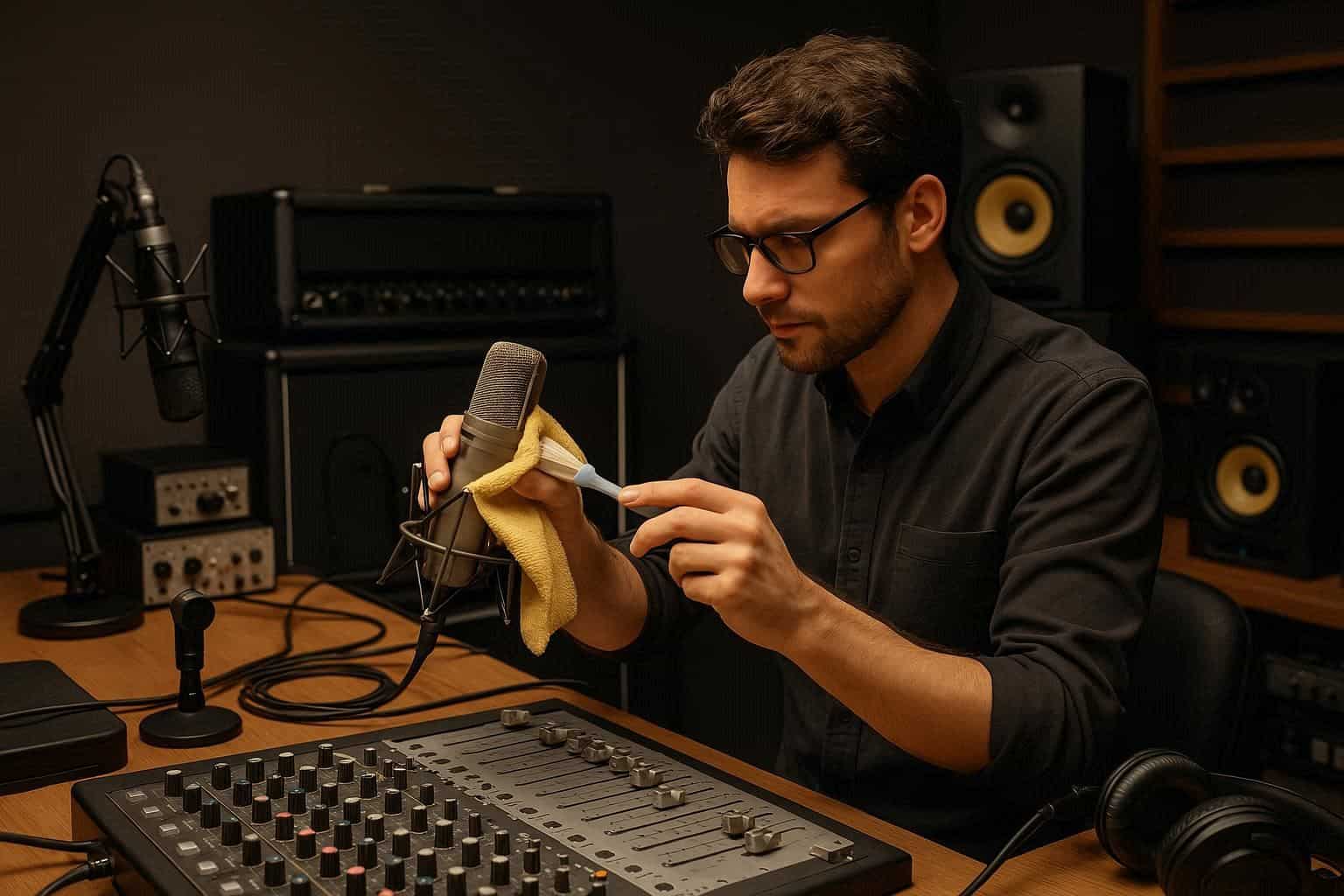
Regular equipment cleaning, cable management, and checking amplifiers, mixers, and microphones are key for optimal performance.