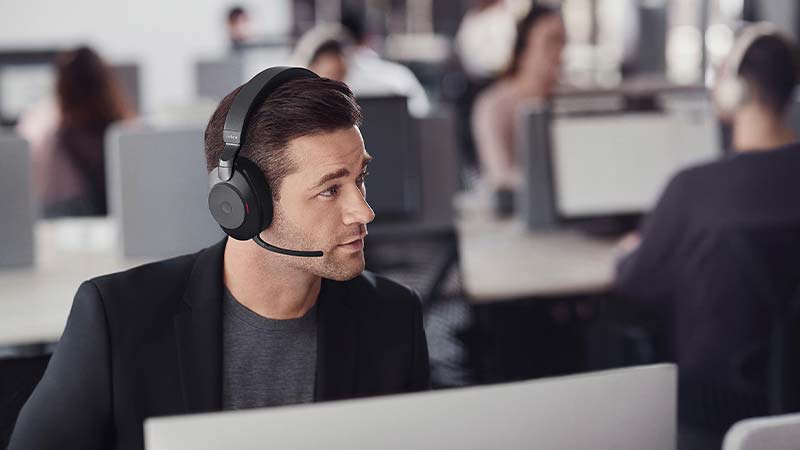
In today’s fast-paced world, we are constantly surrounded by noise — from bustling city streets to office chatter and the steady hum of airplanes. For anyone who values clear, uninterrupted sound, Noise-canceling headphones has become a game-changer. But what exactly is noise-canceling technology in Head Phones, and how does it work? More importantly, what are its applications for professionals, students, travelers, and content creators?
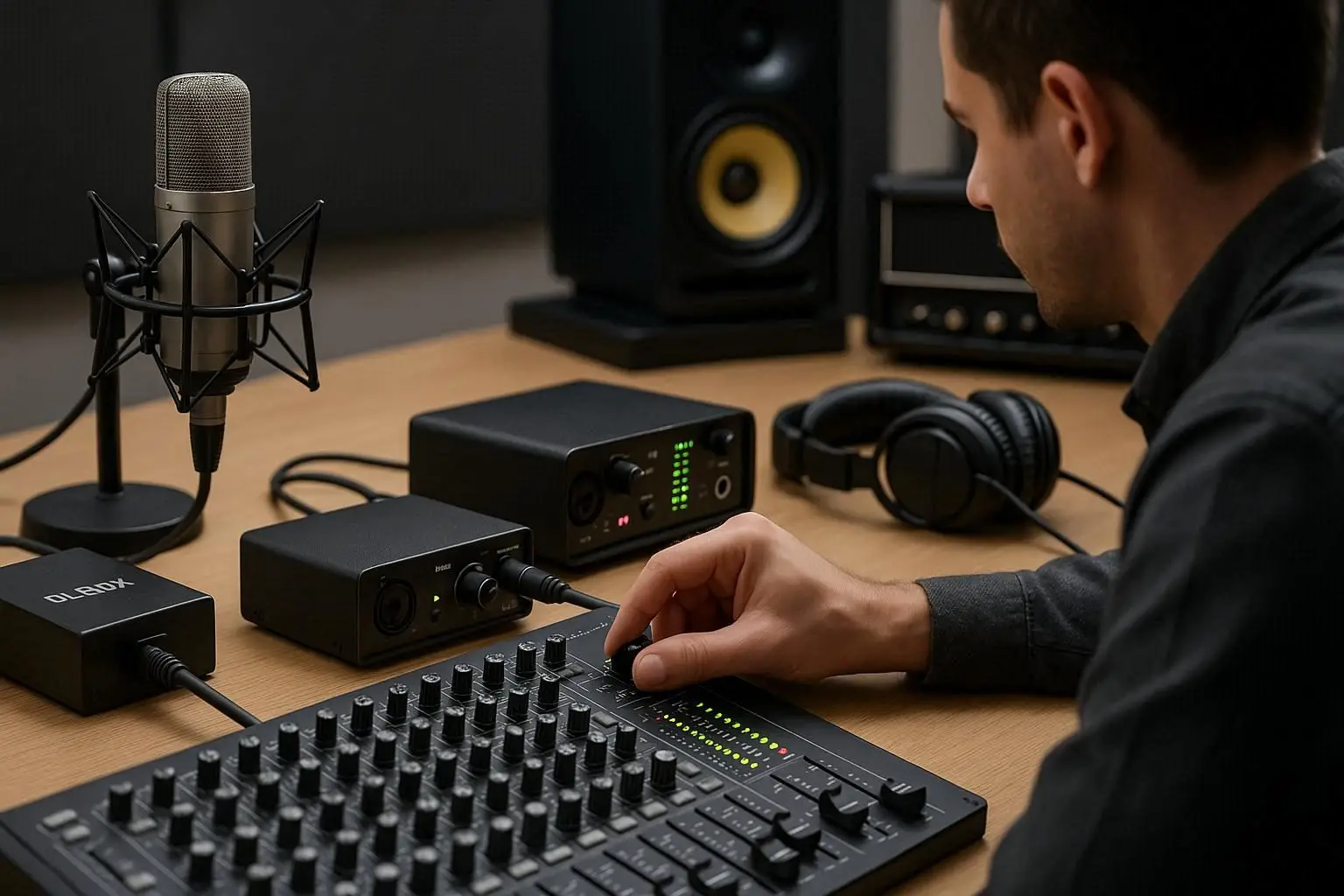
This article provides a complete guide to understanding noise-canceling technology in 2025, exploring its mechanics, benefits, and practical uses. Along the way, we’ll also touch on related audio gear like Recorder, Microphone, Amplifier, Speaker, Audio Mixers, and Audio Interface to show how noise control integrates into a complete sound setup.
Understanding Noise-Canceling Technology
Noise-canceling technology is designed to reduce or completely block unwanted external sounds, allowing users to focus solely on the audio they want to hear. There are two main types of noise cancellation:
1. Passive Noise Cancellation (PNC)
This relies on physical design. Over-ear Head Phones with thick padding or in-ear models with snug tips block out some sound by creating a physical barrier. While effective for higher-frequency sounds like conversations or office noise, it doesn’t completely silence low-frequency noises such as engine hum.
2. Active Noise Cancellation (ANC)
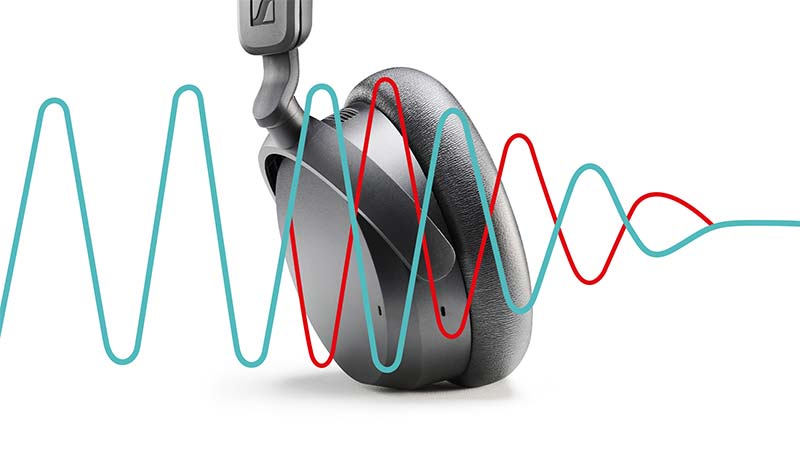
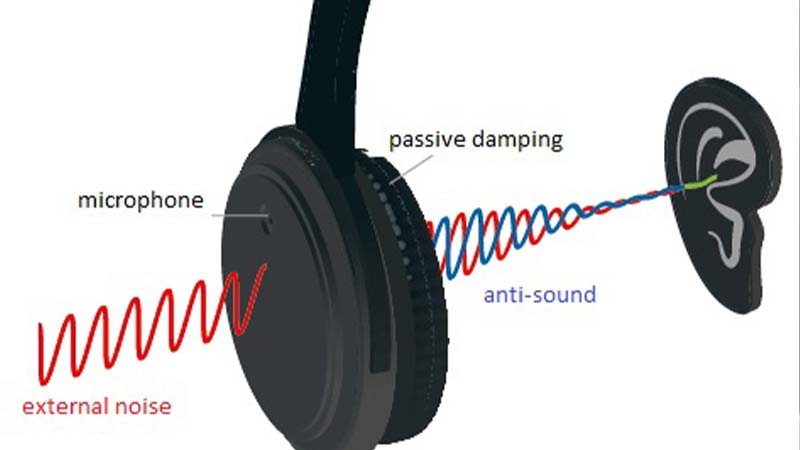
ANC goes beyond physical barriers by using technology. Built-in microphones detect surrounding noise, then an electronic system generates sound waves with the opposite phase. When these waves meet, they cancel each other out, effectively reducing unwanted noise.
How Active Noise-Canceling Works Step by Step
- External Microphone Detection
Tiny Microphones on the headphones pick up ambient sounds. - Signal Processing
The detected noise is analyzed by the headphone’s internal processor. - Inverse Sound Wave Creation
The system creates an inverted sound wave to match the frequency and amplitude of the external noise. - Cancellation
The inverted wave combines with the unwanted sound, canceling it out before it reaches your ear. - Result
You hear only your desired audio, whether it’s music, a podcast, or a recording on your Recorder.
Applications of Noise-Canceling Headphones
Traveling and Commuting
ANC technology is invaluable on airplanes, trains, and buses, where constant background noise can cause fatigue. By eliminating this distraction, Head Phones allow travelers to relax or focus on work.
Work and Study
In offices or study environments, noise-canceling headphones help people concentrate without being disturbed by conversations or environmental noise.
Content Creation and Recording
For podcasters, streamers, and musicians, noise cancellation ensures more accurate monitoring of audio. When paired with professional equipment like a Microphone, Audio Interface, or Audio Mixers, the sound remains clean and distraction-free.
Wellness and Relaxation
Noise-canceling Head Phones are often used for meditation, sleep, or stress reduction, as they create a calming space free from distractions.
Advantages of Noise-Canceling Technology
- Better Focus: Concentrate on work or entertainment without constant interruptions.
- Health Benefits: Reduces stress and listening fatigue caused by continuous background noise.
- Improved Sound Quality: Enhances the clarity of audio from your Speaker or streaming device.
- Versatile Use: Perfect for both casual listening and professional sound environments.
Integration with Other Audio Gear
Noise-canceling technology doesn’t stand alone; it works within a broader ecosystem of audio equipment:
- Recorder: Capture high-quality audio in noisy environments while monitoring through noise-canceling Head Phones.
- Microphone: Use noise cancellation to monitor your voice recordings with precision.
- Amplifier: Pairing headphones with an Amplifier boosts clarity and ensures strong signal output.
- Speaker: Compare recordings between noise-canceling headphones and studio Speakers for balanced audio editing.
- Audio Mixers: Manage multiple sound sources and monitor them in real time with noise-canceling headphones.
- Audio Interface: Connect your headphones to professional setups for precise, noise-free monitoring.
Future of Noise-Canceling Technology in 2025
Noise-canceling technology is evolving rapidly. Headphones are becoming smarter, integrating AI-driven adaptive cancellation that adjusts based on your environment. For instance, the system can automatically reduce traffic noise outdoors while allowing you to hear important announcements indoors.
We can also expect:
- Better Battery Efficiency: Longer use without frequent recharging.
- Improved Comfort: Lightweight designs with memory foam for extended wear.
- Seamless Connectivity: Integration with devices through wireless audio systems and enhanced Audio Interface compatibility.
Conclusion
Noise-canceling technology in Head Phones has revolutionized the way we listen, work, and create. By using advanced Microphones and sound processing, ANC blocks out distractions, ensuring users hear only what matters. Whether you’re traveling, recording content with a Recorder, monitoring through an Audio Interface, or editing with Audio Mixers, noise-canceling headphones offer unmatched focus and clarity.
As the technology continues to advance, these headphones are no longer a luxury — they are an essential tool for productivity, creativity, and peace of mind.