

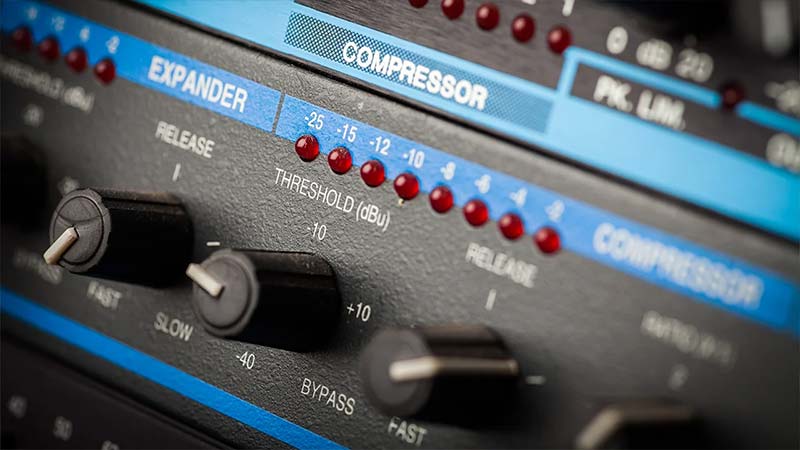
In the world of modern sound production, audio compression plays a vital role in shaping professional-quality audio. Whether in music production, broadcasting, podcasting, or live performance, compression ensures clarity, consistency, and a powerful listening experience. But what exactly is audio compression, how does it work, and why is it so important?
This guide explores the fundamentals of compression, its tools, and its applications across different fields of audio engineering.
What is Audio Compression?
Audio compression is the process of reducing the dynamic range of sound — the difference between the quietest and loudest parts of a recording. By controlling these variations, compression allows audio to sound more balanced, louder, and easier to listen to across different devices.
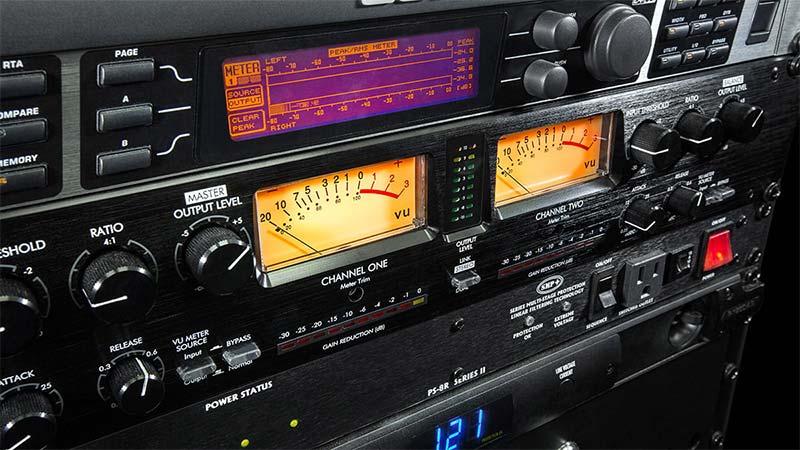
Tools like compressors and limiters are designed to manage these dynamics. While a compressor reduces peaks and raises lower sounds for smoother output, a limiter prevents extreme loudness from distorting the signal.
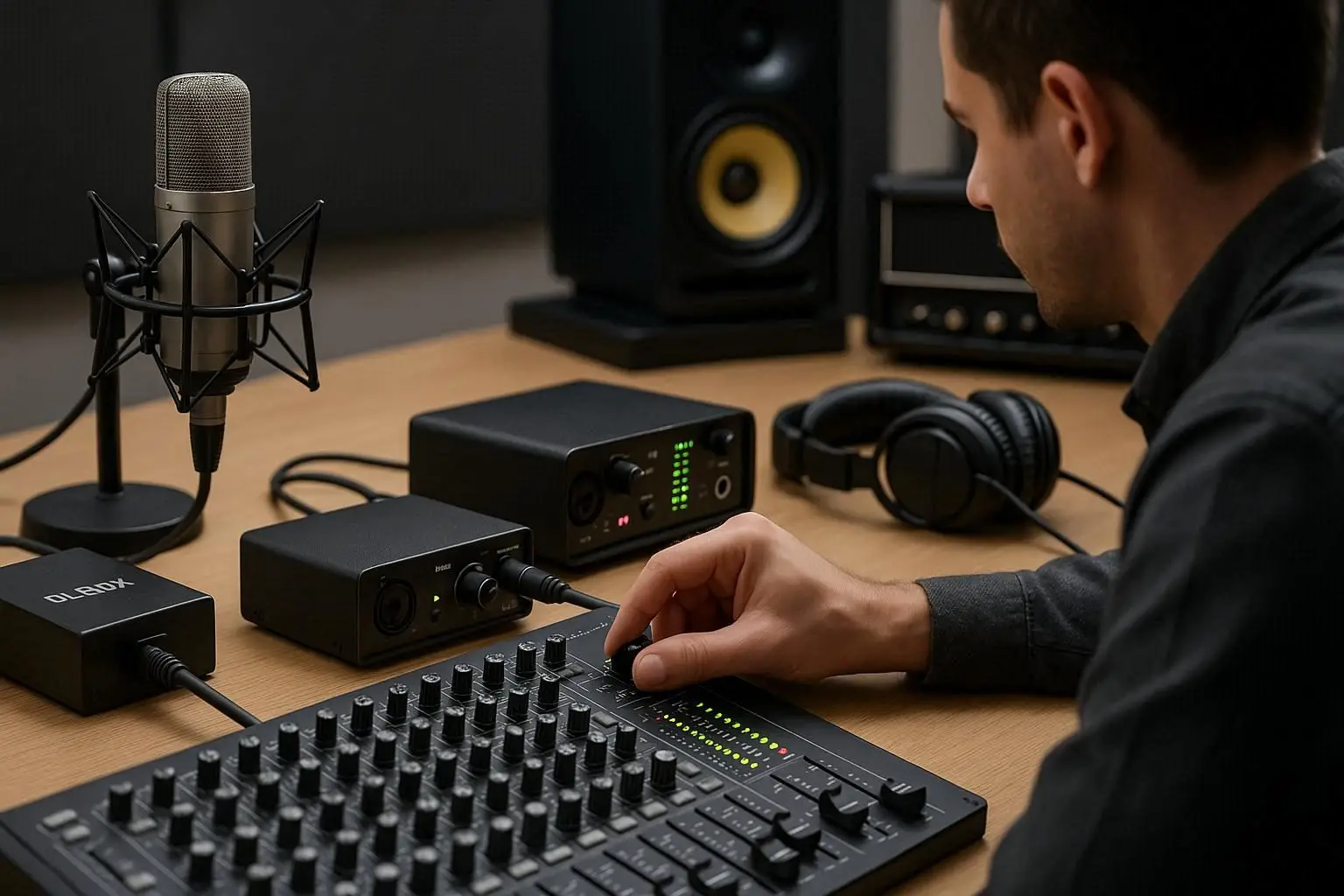
In professional setups, compression is often combined with equipment such as a Recorder, Microphone, Amplifier, Speaker, Audio Mixers, Head Phones, and Audio Interface to deliver polished sound.
Why Audio Compression Matters
Without compression, music or speech recordings can sound uneven. Imagine listening to a podcast where one speaker whispers and another suddenly shouts—it would be frustrating. Compression eliminates these extremes and creates a smooth, enjoyable experience.
Key Benefits of Compression:
-
Improved clarity: Makes vocals and instruments more present.
-
Increased loudness: Boosts overall volume without distortion.
-
Noise reduction: Helps reduce unwanted peaks and background noise.
-
Professional sound: Essential for music production, podcasts, and broadcasting.
Dynamic Range and Its Role in Sound Quality
Dynamic range refers to the difference between the softest and loudest sounds in a recording.
-
High dynamic range: Offers great detail but may sound inconsistent.
-
Low dynamic range: Produces a more uniform volume, making the audio easier to manage.
By applying compression, engineers balance these ranges, ensuring that every word and note is clearly heard, whether through Speakers at a concert or Head Phones during a recording session.
How Does a Compressor Work?
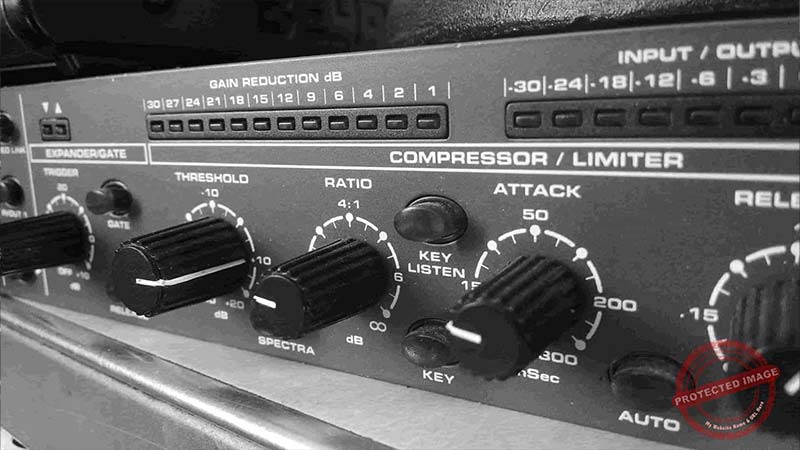
A compressor works by automatically adjusting volume levels when signals exceed a certain threshold. Key parameters include:
-
Threshold: The volume level at which compression begins.
-
Ratio: Determines how much the sound above the threshold is reduced.
-
Attack Time: How quickly the compressor reacts to loud sounds.
-
Release Time: How long it takes for the compressor to stop reducing gain.
For example, if the ratio is set to 4:1, every 4 dB above the threshold will be reduced to just 1 dB, keeping the sound controlled and smooth.
Limiters vs. Compressors
While compressors reduce peaks gradually, limiters act as strict volume guards. They stop signals from exceeding a maximum level, preventing distortion. In music mastering, limiters are critical for making tracks sound loud but clean.
Together, compressors and limiters ensure high-quality output for both studio work and live environments.
Applications of Audio Compression
Compression is not limited to music—it is used in many fields:
-
Music Production: Balances instruments, enhances vocals, and adds punch.
-
Broadcasting & Podcasts: Keeps dialogue clear and consistent.
-
Film & Media: Ensures soundtracks and effects are controlled.
-
Live Performances: Paired with Audio Mixers and an Amplifier to maintain even sound.
-
Recording Studios: Works with a Recorder and Microphone to capture professional audio.
Advanced Compression Techniques
Experienced engineers often use advanced methods to achieve specific results:
-
Parallel Compression – Blends compressed and uncompressed signals for more punch without losing dynamics.
-
Multiband Compression – Applies compression to specific frequency ranges (lows, mids, highs) for precise control.
-
Sidechain Compression – Common in electronic music, lowers one sound (like bass) when another (like kick drum) plays.
These techniques allow for greater flexibility and creative sound design.
Common Mistakes in Using Compression
Despite its benefits, misuse of compression can ruin audio quality. Some frequent mistakes include:
-
Over-compression: Removes natural dynamics, making audio flat and lifeless.
-
Incorrect attack/release times: Leads to unnatural pumping effects.
-
Ignoring room acoustics: Compression cannot fix poor Speaker placement or bad recording environments.
To avoid these issues, always apply compression gradually and monitor results through both Head Phones and Speakers.
Practical Tips for Professional Compression
To get the best out of compression:
-
Use subtle settings—less is often more.
-
Listen carefully to how compression affects tone and clarity.
-
Test across multiple devices, from studio monitors to portable Head Phones.
-
Combine with EQ and Audio Interface tools for a complete mix.
By following these guidelines, you can achieve sound that feels both polished and natural.
Conclusion
Audio compression is an essential technique for achieving professional sound. By reducing dynamic range and controlling peaks, compression improves clarity, loudness, and balance across any listening environment.
From podcasts recorded with a Microphone to concerts powered by Amplifiers, Speakers, and Audio Mixers, compression ensures consistent quality. When applied properly, it transforms raw audio into polished, professional sound that resonates with listeners.
In 2025, mastering compression remains a must-have skill for anyone working in music, media, or audio technology.


1 thought on “Audio Compression Explained: How to Improve Sound Quality with Compression in 2025”
test