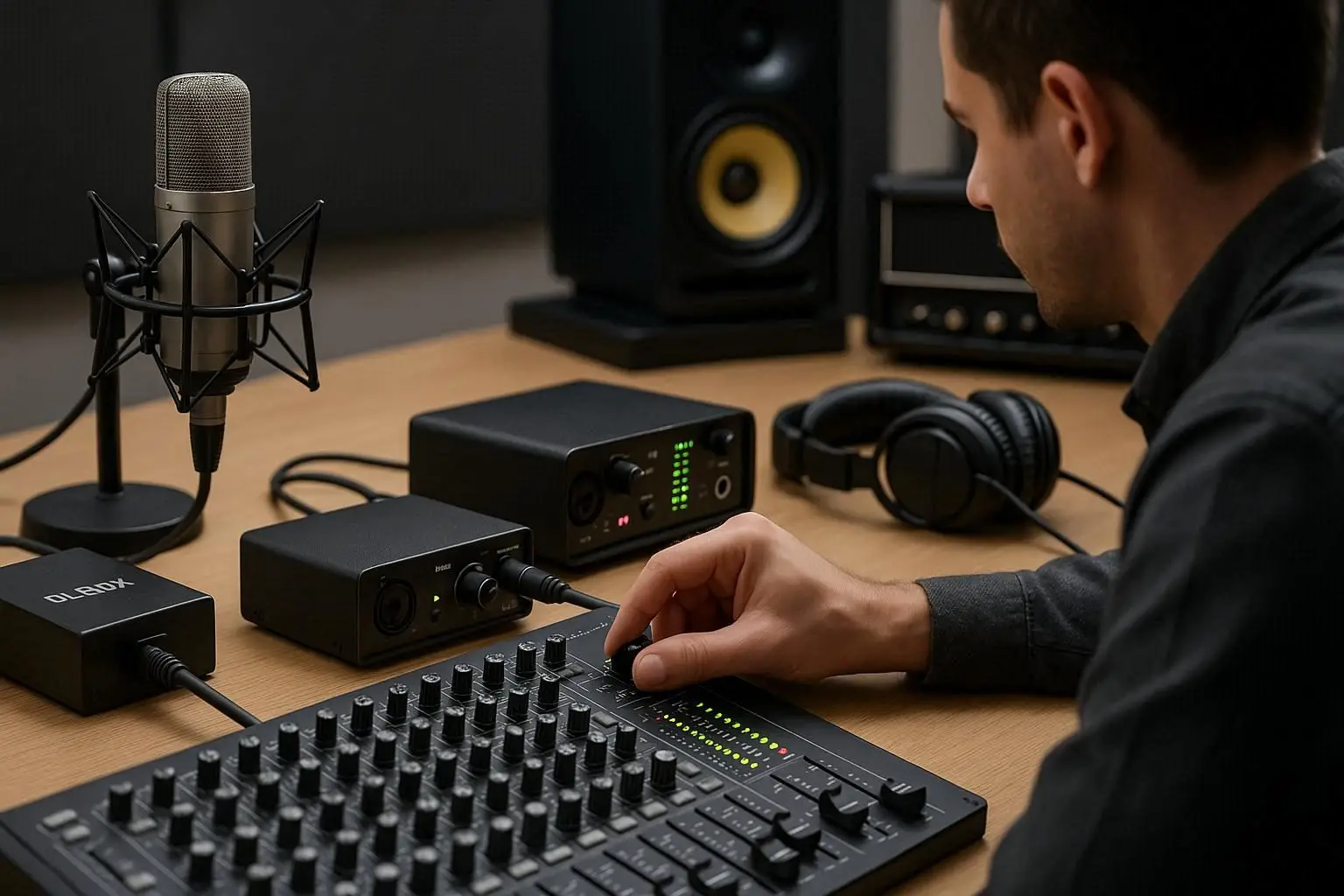
If you’re setting up a professional sound system or building a home studio, one of the biggest questions you’ll face is: what is the difference between analog and digital mixers, and which one should I choose?
What Is an Analog Mixer?
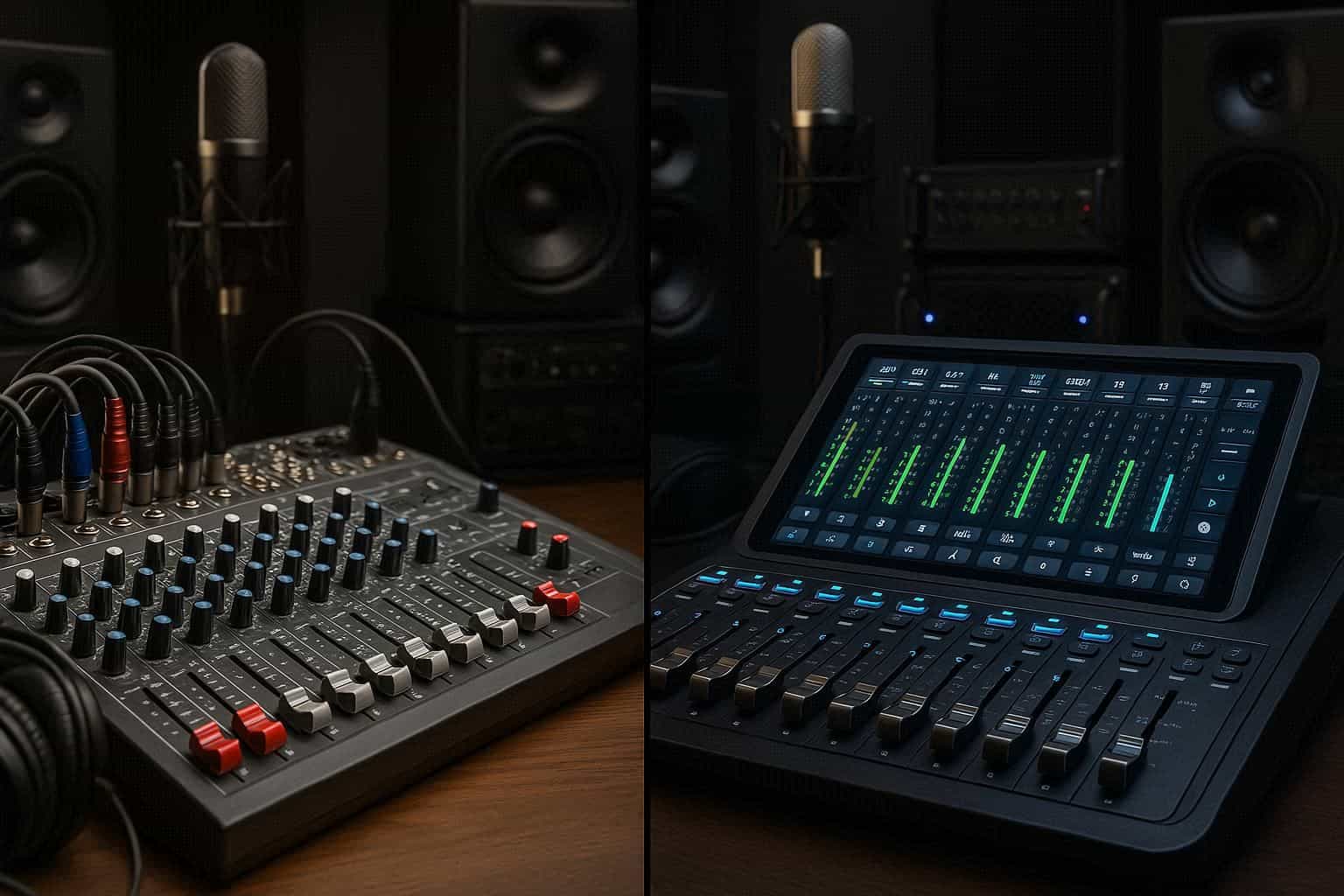
An analog mixer is a traditional piece of audio equipment that processes sound using electrical circuits. Each knob, slider, and button corresponds to a physical function such as gain, EQ, or volume. When you plug in Microphones, DI Boxes, or instruments, the analog mixer instantly processes signals in real-time without any latency.
Analog mixers are known for their warm sound quality and straightforward operation. They don’t require menus or digital screens, which makes them a favorite for live performances where quick adjustments are crucial.
Pros of Analog Mixers:
-
Simple, tactile controls for hands-on mixing
-
Warm, natural audio tone
-
Reliable and less prone to software glitches
Cons of Analog Mixers:
-
Limited flexibility — no digital presets or built-in effects
-
Larger and heavier than digital alternatives
-
Harder to replicate exact mix settings
What Is a Digital Mixer?
A digital mixer converts analog signals into digital data, allowing advanced sound processing and automation. Unlike analog mixers, digital ones use internal DSP (Digital Signal Processing) to add effects, EQ, compression, and routing — all controlled through screens or software.
Modern Audio Mixers in the digital category often include USB connectivity, integration with DAWs, and the ability to store mix presets for different sessions. They are perfect for recording studios, touring engineers, and podcast setups.
Pros of Digital Mixers:
-
Save and recall settings instantly
-
Built-in effects, EQs, and dynamics processing
-
Compact design with advanced routing options
-
Integration with Audio Interface and recording gear
Cons of Digital Mixers:
-
Slight learning curve for beginners
-
May introduce latency if not configured properly
-
Relies on software updates and digital screens
Key Differences Between Analog and Digital Mixers
| Feature | Analog Mixer | Digital Mixer |
|---|---|---|
| Sound Quality | Warm, organic tone | Clean, precise audio |
| Ease of Use | Simple knobs and sliders | Menu-based operation |
| Effects | Requires external processors | Built-in digital effects |
| Portability | Bulkier | More compact |
| Memory Presets | None | Yes, multiple |
| Integration | Basic | Works with DAWs and software |
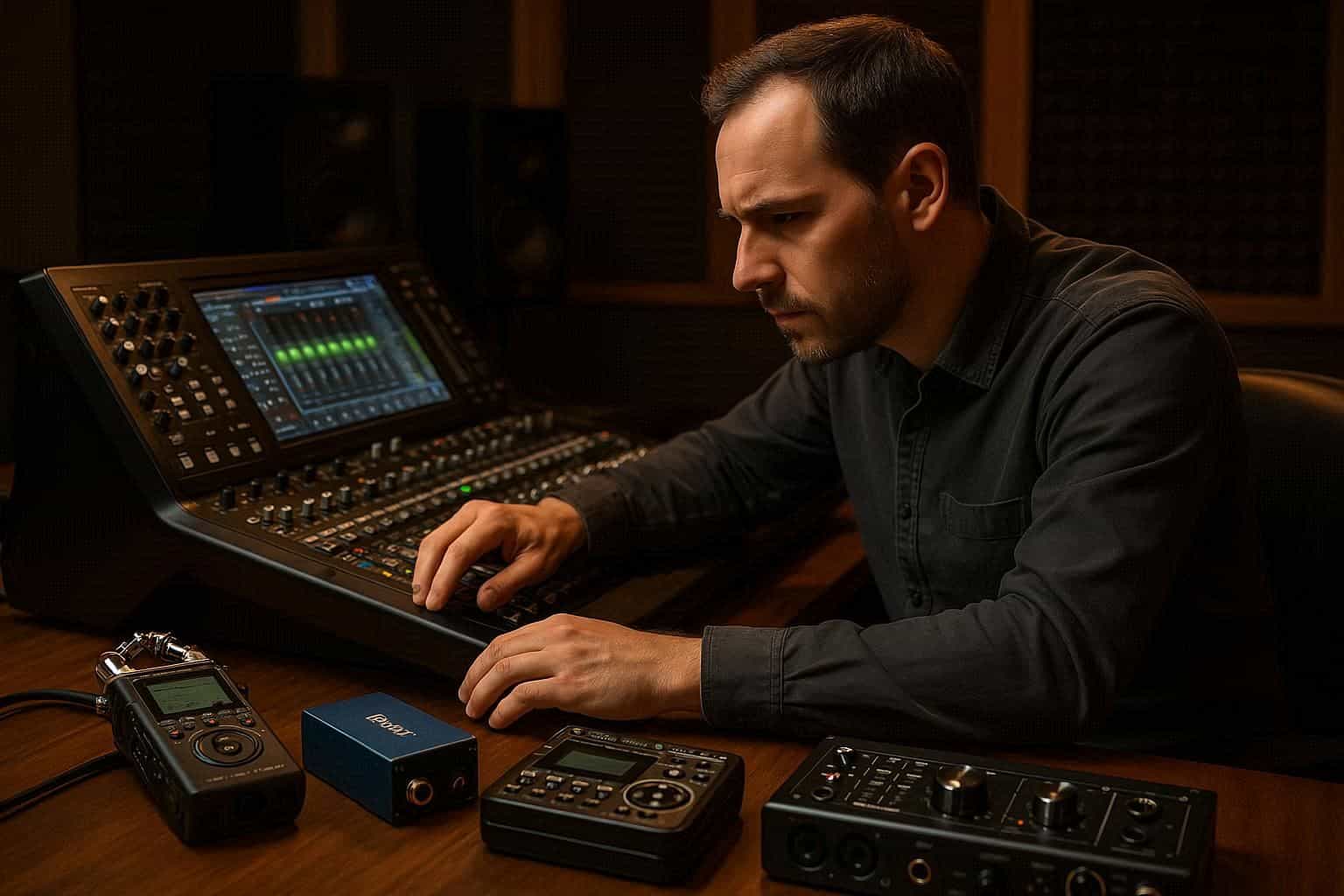
The difference between analog and digital mixers ultimately comes down to workflow and preference. Analog mixers are ideal for users who prefer hands-on control, while digital mixers are better for those who value flexibility and automation.
How to Choose the Right Mixer for Your Needs
For Live Sound Engineers:
If you’re mixing for live shows, an analog mixer offers instant tactile control. It’s perfect when every second counts during a performance. Pair your mixer with high-quality Speakers and Amplifiers to ensure clear, powerful sound delivery on stage.
For Studio Recording:
Digital mixers shine in studio environments. They allow you to connect directly to a Recorder or Digital Pocket Studio for seamless multitrack recording. With USB or network connectivity, they easily integrate with modern Audio Interface systems and DAWs.
For Mobile or Home Setups:
If space is limited, digital mixers are the way to go. Many compact models include built-in Wi-Fi control and can be managed via tablet or smartphone apps. Combine your setup with Head Phones for accurate monitoring during mixing sessions.
Real-World Example
Imagine you’re running sound for a local concert. An analog mixer allows you to quickly adjust EQ or gain by turning a physical knob — fast and intuitive.
But in a recording studio, a digital mixer gives you precise control over multiple channels, with effects and automation easily recalled from memory.
Both have their advantages depending on your environment, workflow, and the complexity of your project.
Final Verdict: Analog or Digital Mixer?
So, which one should you choose — analog or digital?
It depends on what matters most to you:
-
Choose Analog Mixers if you value simplicity, reliability, and that classic “warm” tone.
-
Choose Digital Mixers if you need flexibility, recallable settings, and digital effects built right in.
Both mixer types can produce excellent results when combined with quality Microphones, Speakers, and Amplifiers. The key is to understand your workflow and pick a system that complements your creative process.
Conclusion
The difference between analog and digital mixers isn’t just about technology — it’s about how you like to work. Analog provides hands-on control and warmth, while digital gives you versatility, automation, and modern connectivity.
Whether you’re recording in a studio, mixing a live band, or producing a podcast, the right choice will depend on your goals, budget, and experience level. And remember: the best results come from combining your mixer with the right accessories — from Audio Interface and Recorder to DI Box, Speakers, and Head Phones — ensuring every sound you capture or amplify reaches its full potential.